


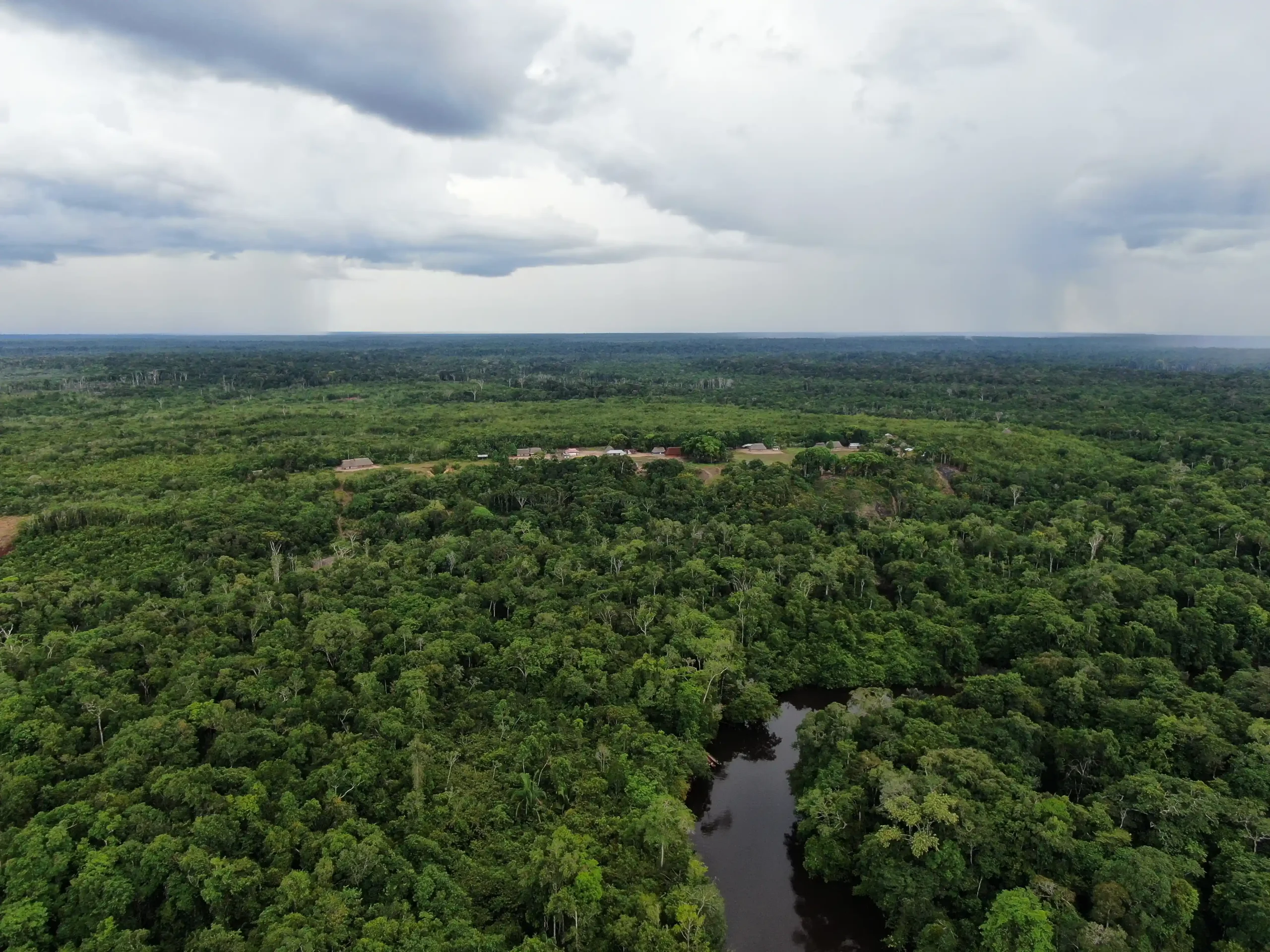
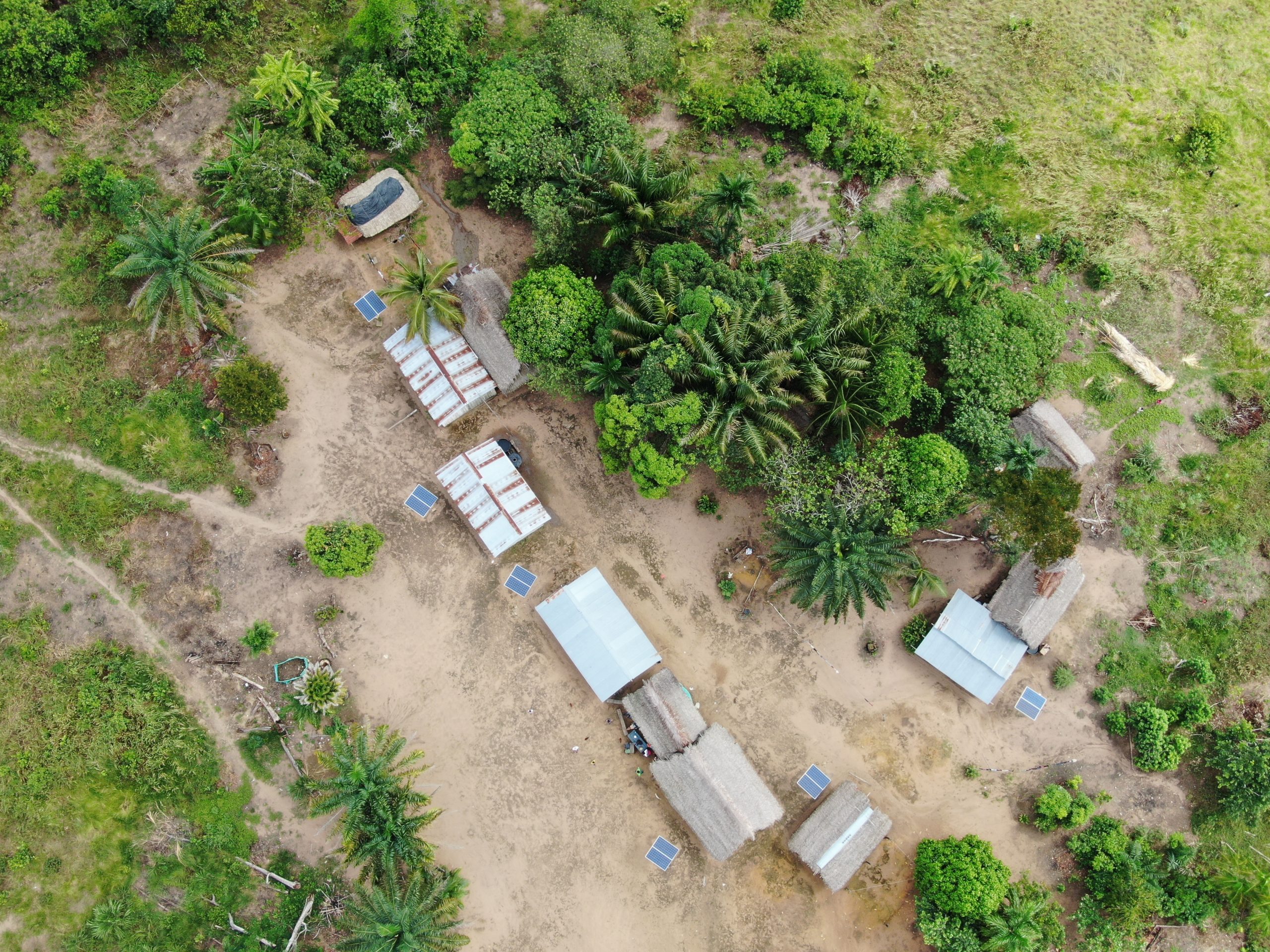
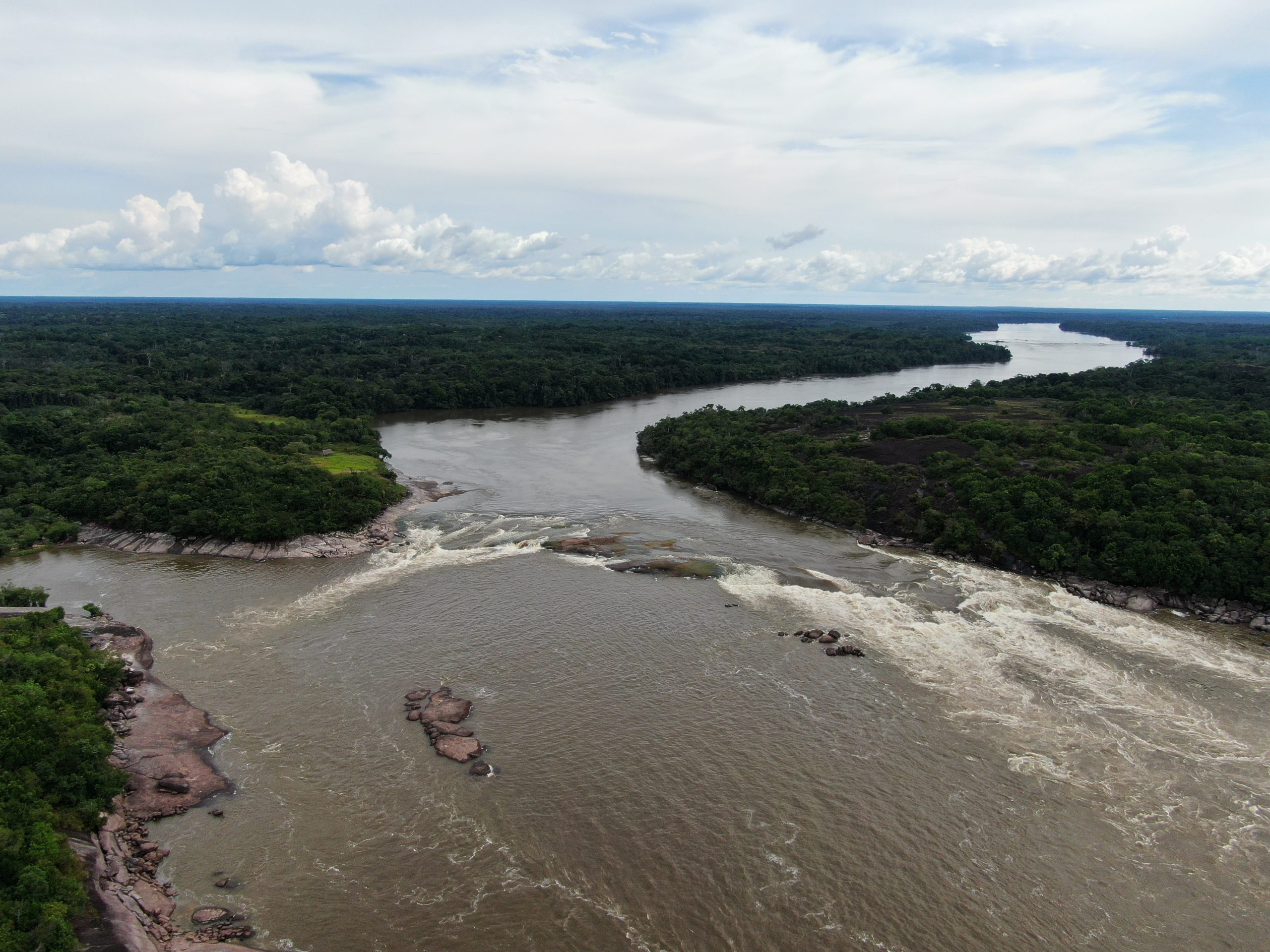
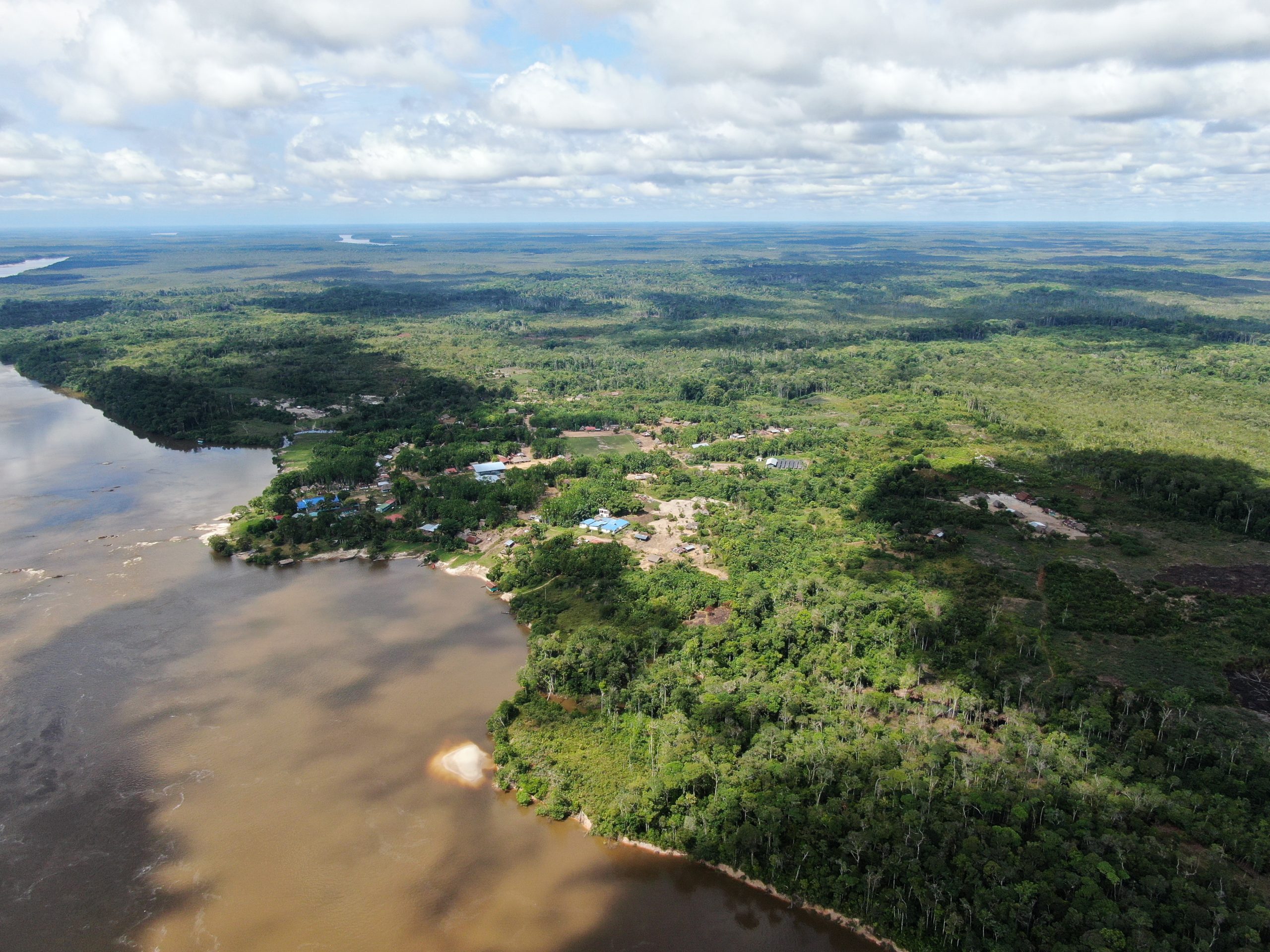
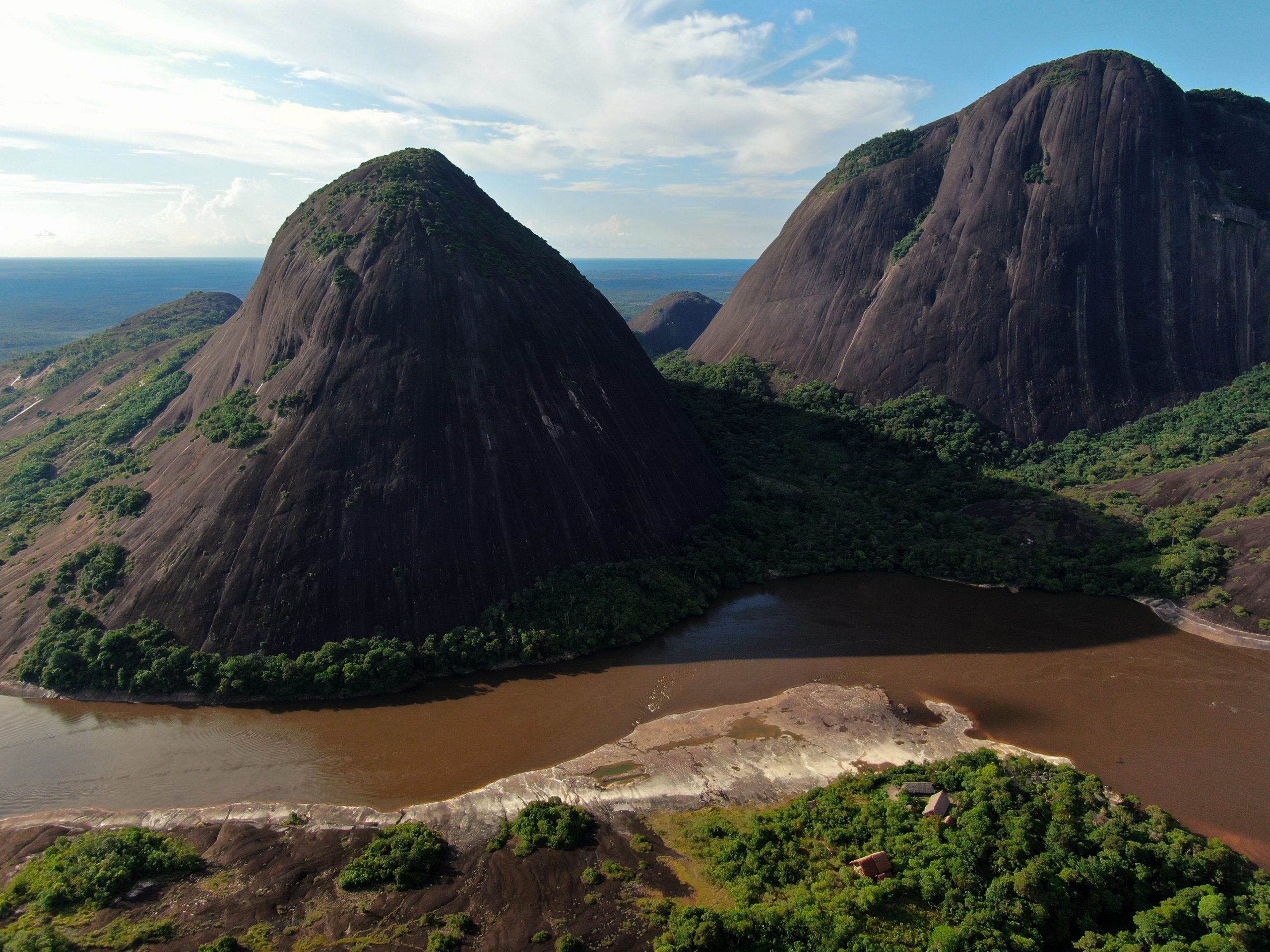
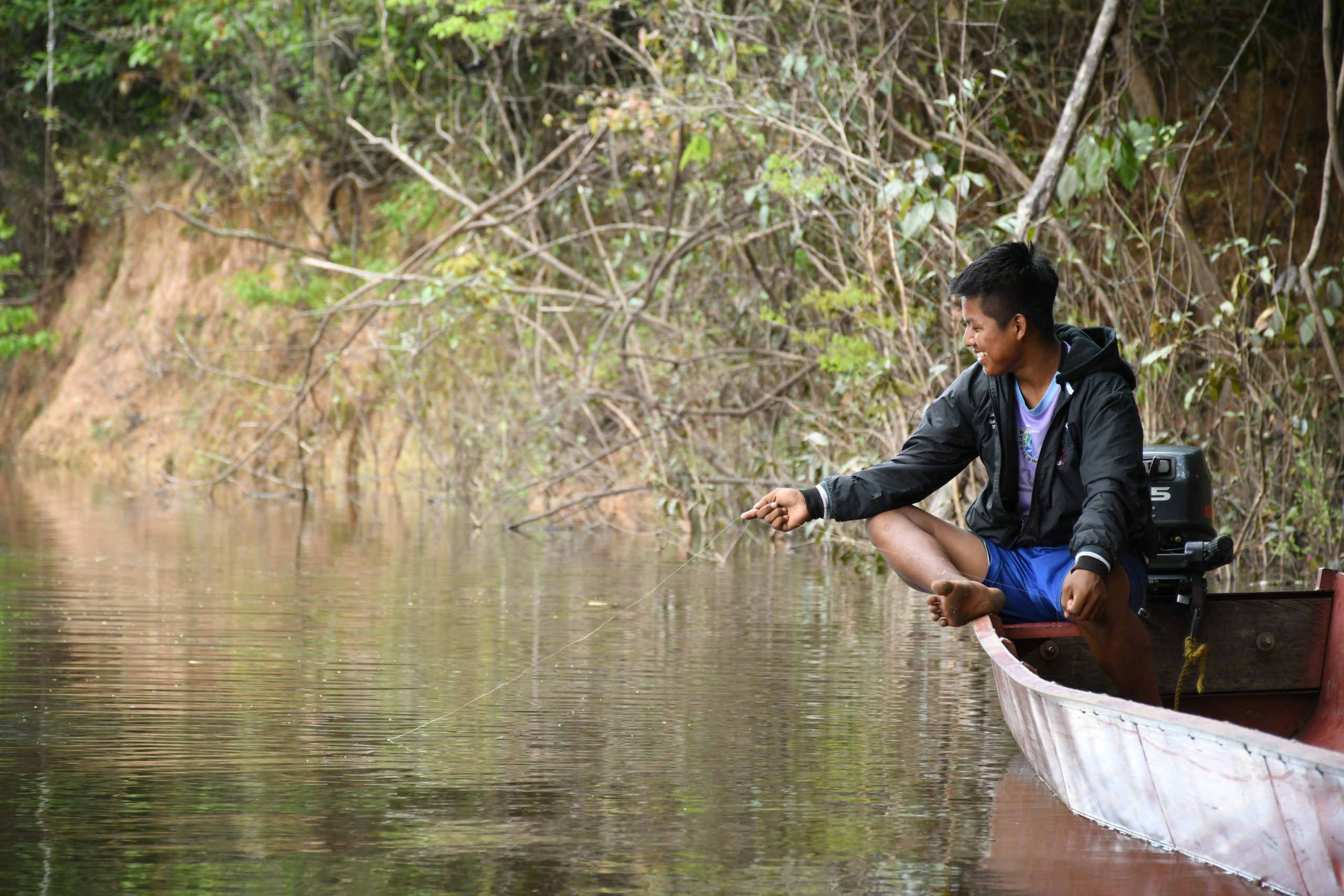
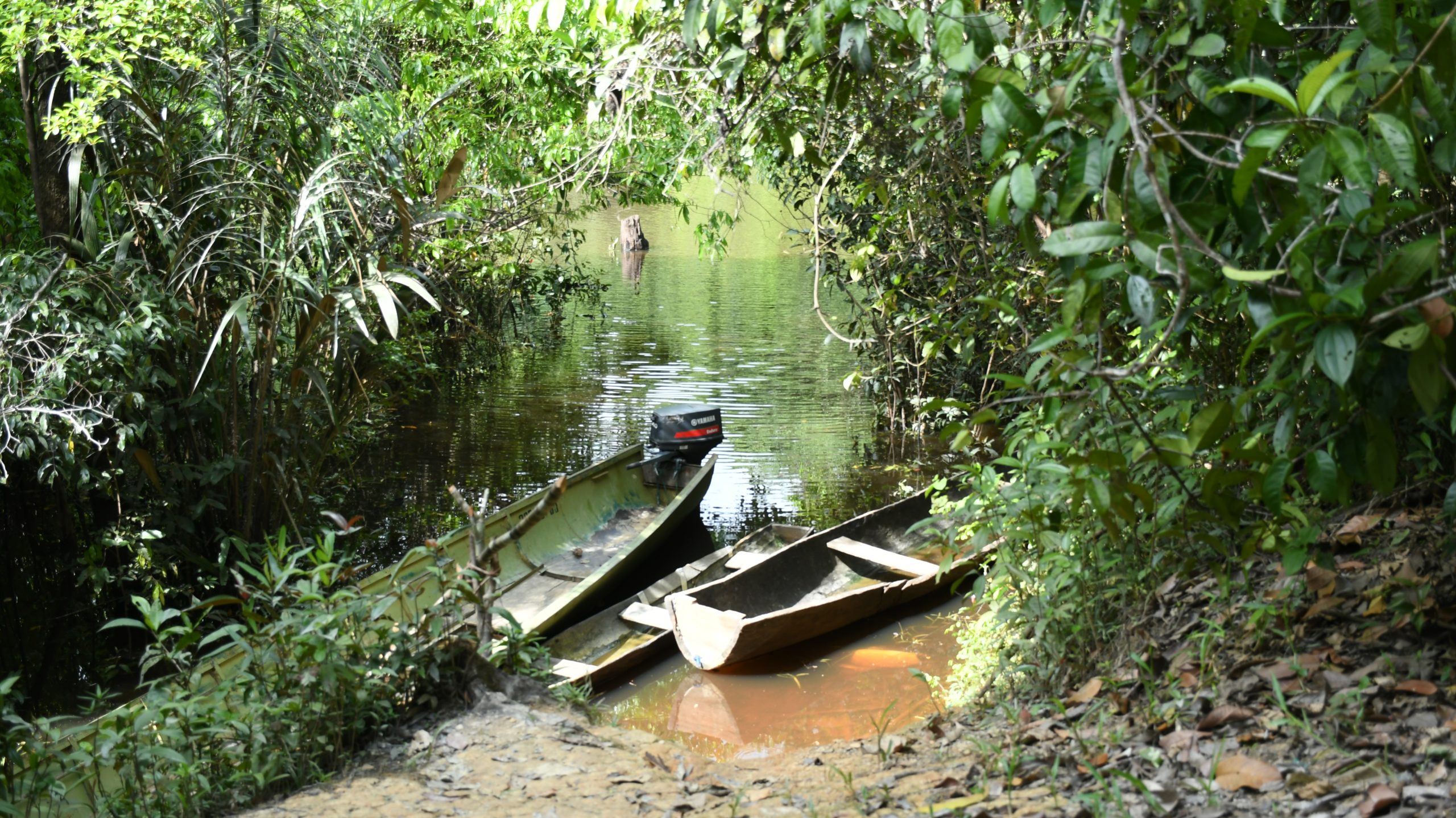
The UNU-MAI REDD+ Project spans a biologically and culturally rich region in the department of Guainía, within the municipality of Inírida. It includes the Indigenous reserves of Laguna Niñal, Cocuy, Loma Baja, and Loma Alta, whose territories stretch along the Guaribén and Bocón creeks. The project name merges two Indigenous languages — UNU (forest, in Sikuani) and MAI (creek, in Puinave) — emphasizing the deep bond between the rainforest and the waterways that sustain life in these territories.
This initiative aims to conserve 144,520 hectares of Amazon rainforest by protecting strategic ecosystems and directly benefiting over 549 members of the local Indigenous communities. Through the REDD+ strategy, it seeks to strengthen Indigenous governance, preserve biocultural heritage, and foster sustainable development in harmony with ancestral knowledge and the territorial rights of the Sikuani and Puinave peoples.



Guainía, Inírida

Certification body:

Amazon / Tropical Humid Forest

Indigenous Reserves of Laguna Niñal, Cocuy, Loma Baja, and Loma Alta
ICONTEC

ICONTEC

131.854


Community-Based REDD+ Approach
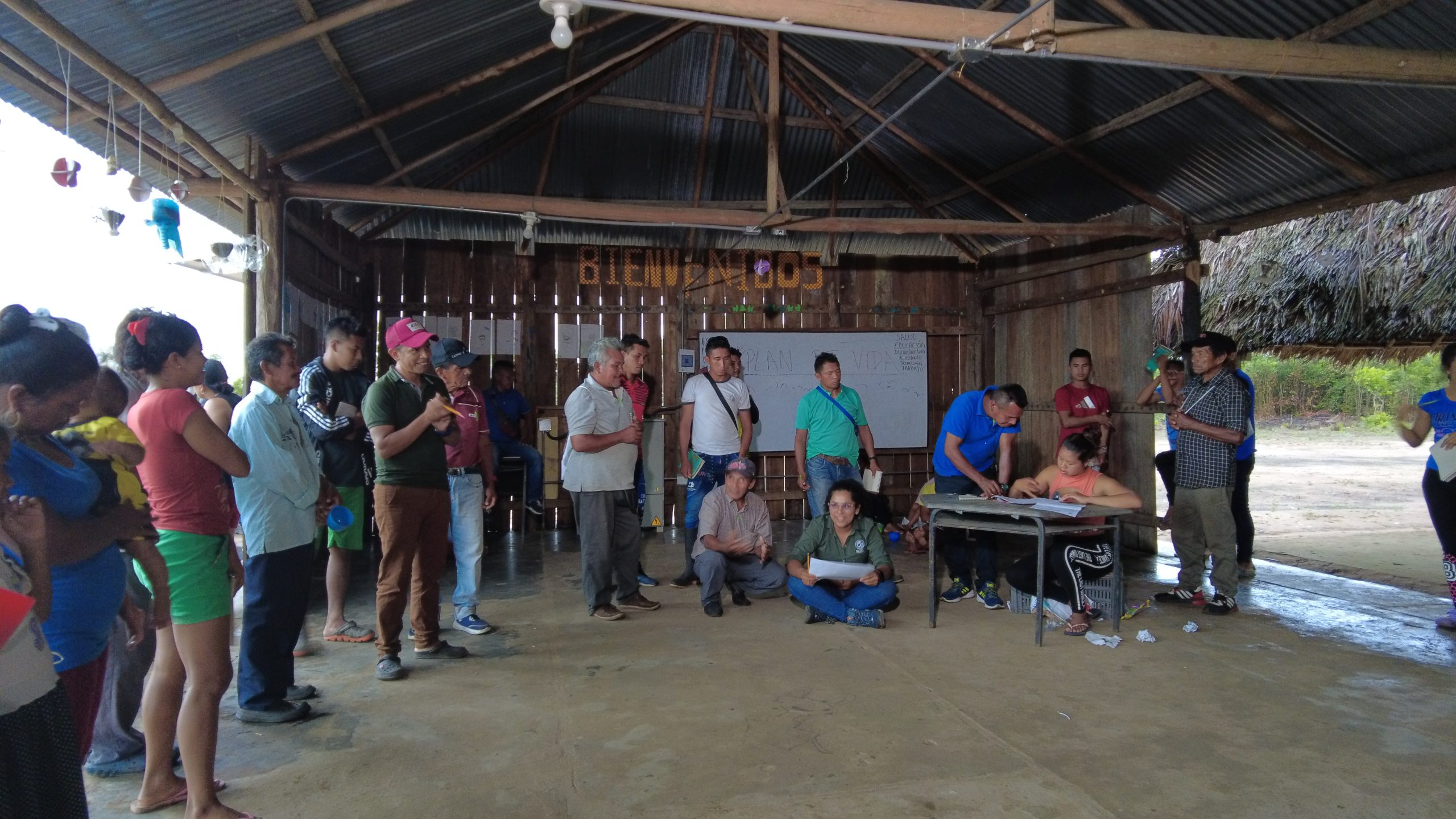
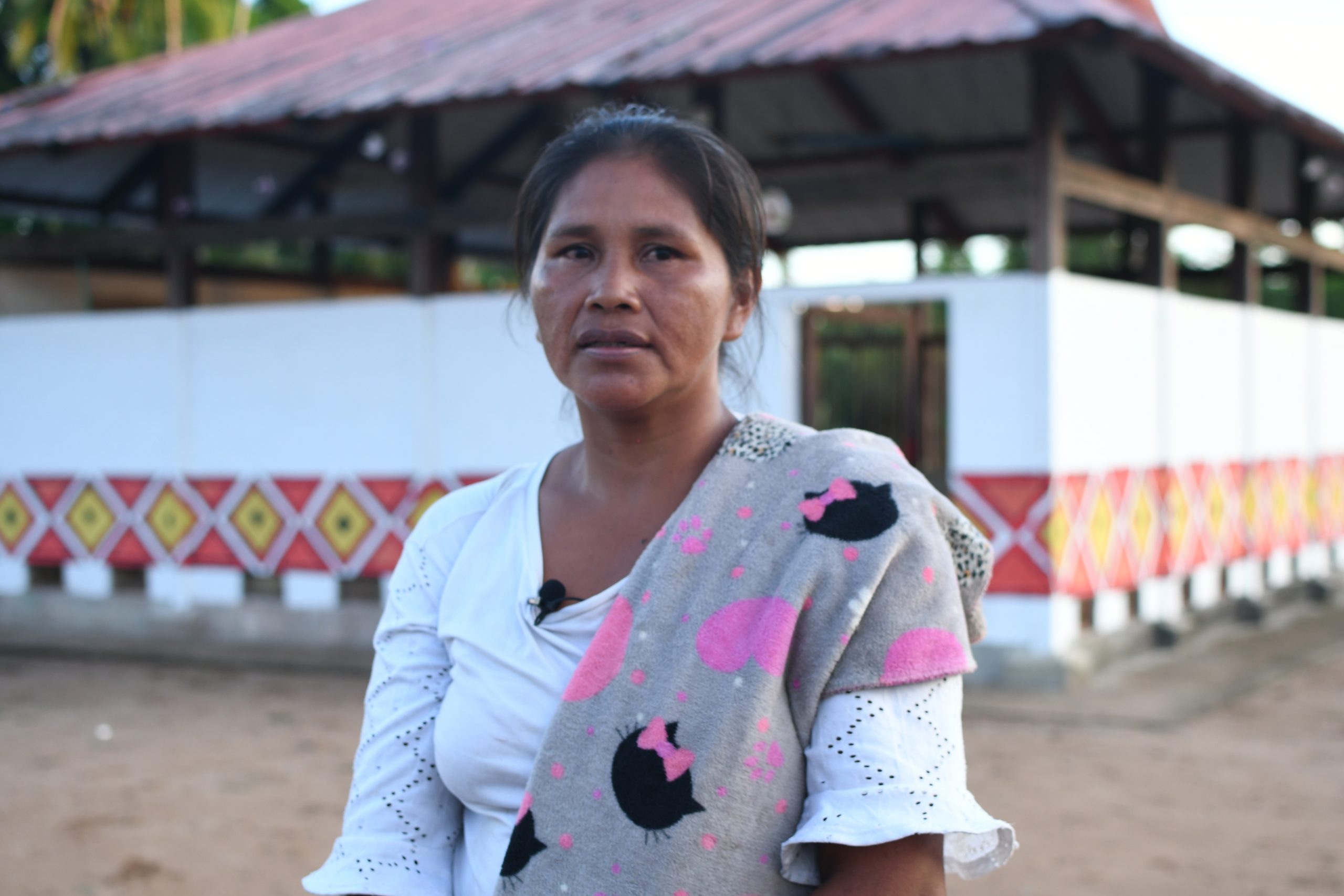
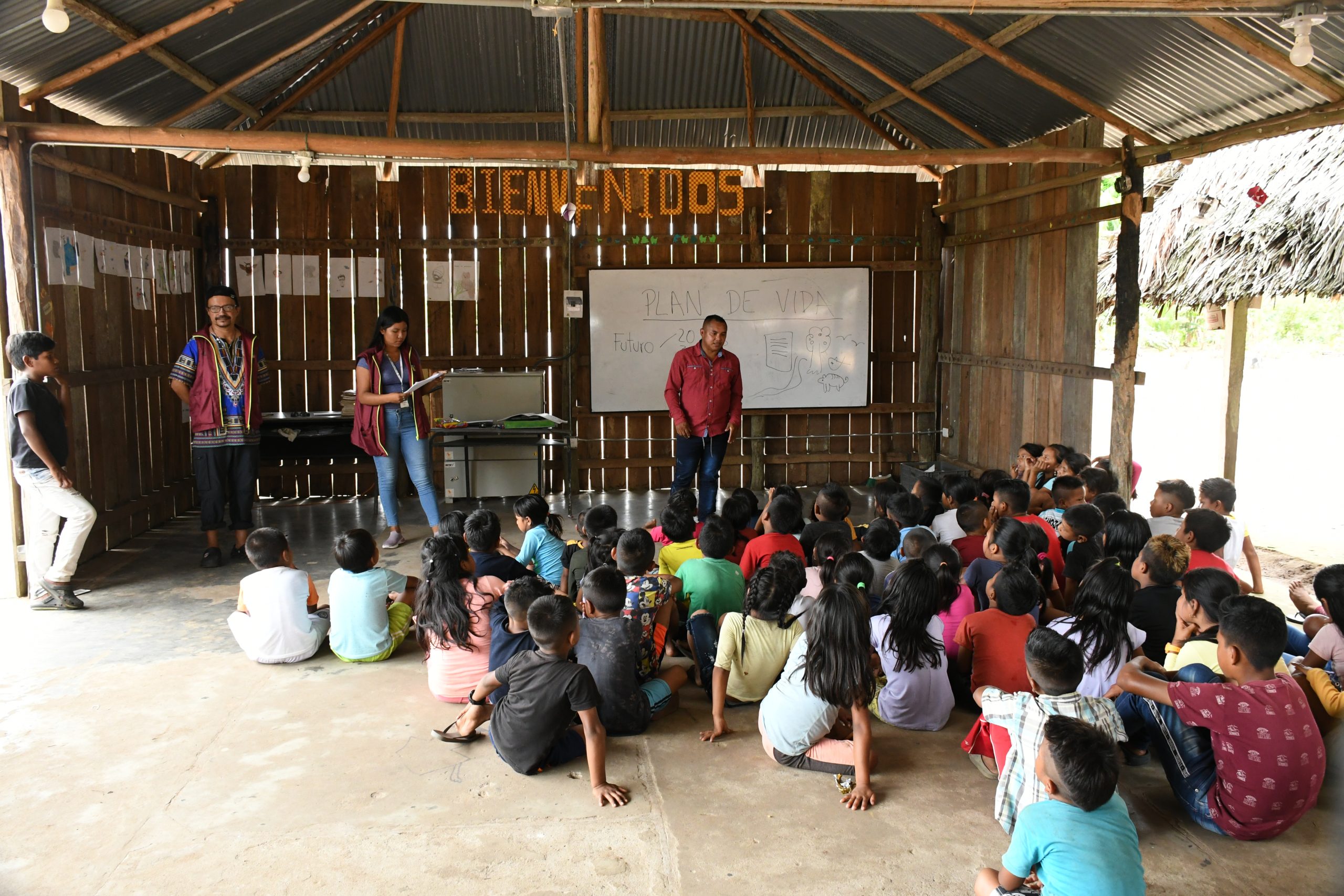
The UNU-MAI REDD+ Project promotes an intercultural and participatory vision for Indigenous territorial conservation. By reinforcing autonomous governance, the project empowers the Puinave and Sikuani communities as key actors in forest protection. Strategies include fostering intercultural dialogue, recovering traditional practices, and enhancing organizational capacities — all with a strong focus on sustainability and respect for ancestral knowledge systems.
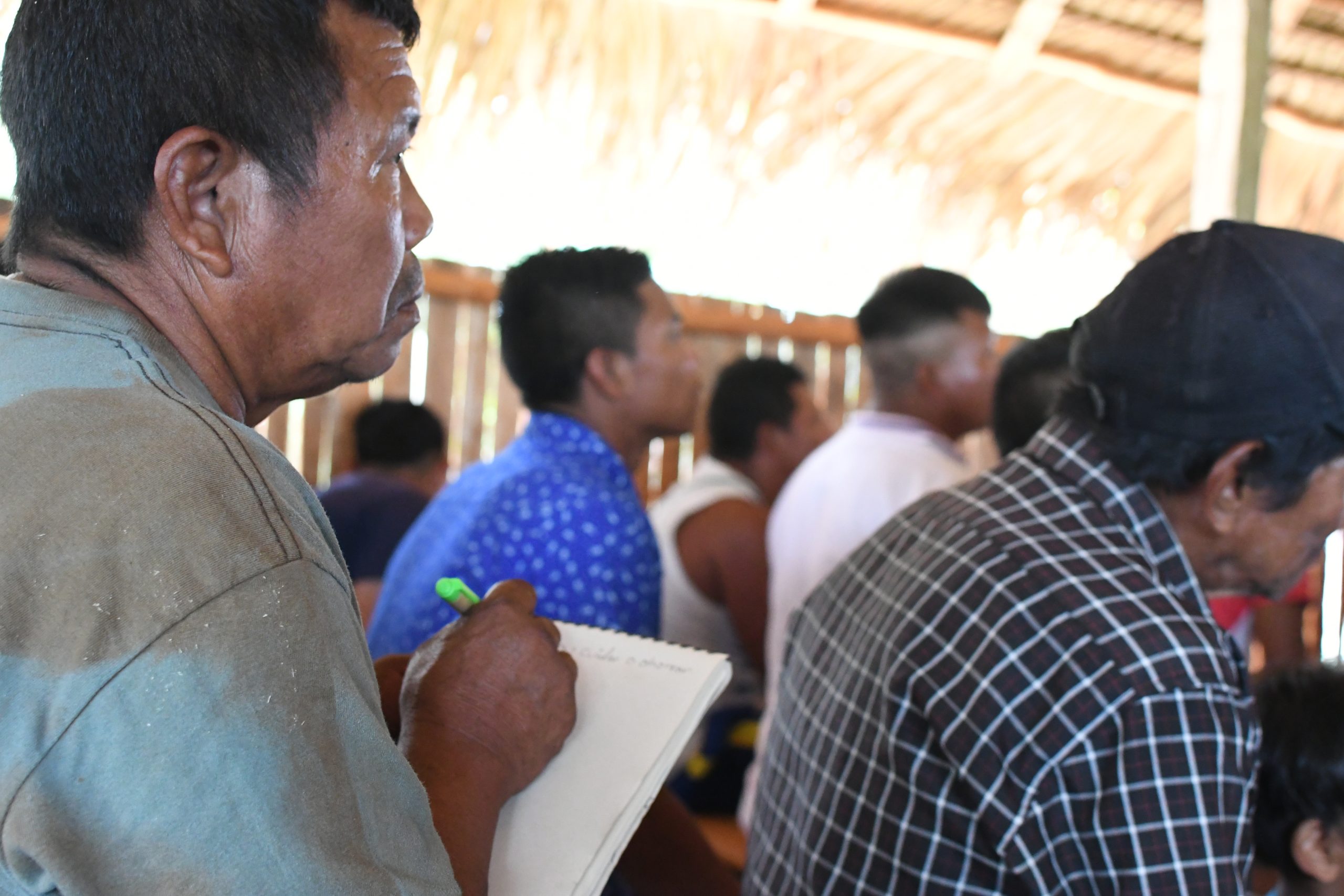
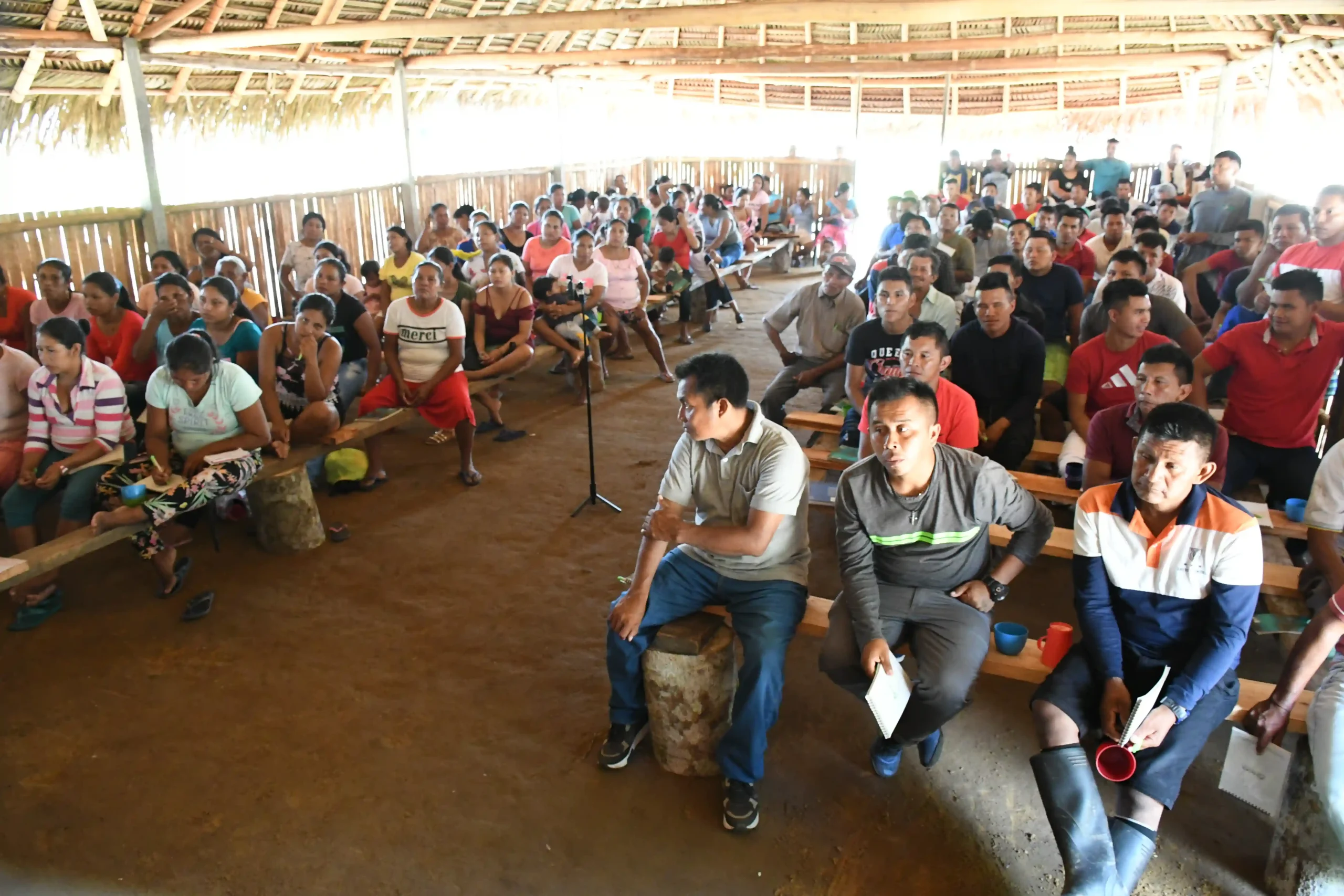
A platform for dialogue and learning between Afro-descendant leaders and Indigenous authorities from the Sikuani and Puinave peoples. This initiative strengthens governance, promotes knowledge-sharing on territorial protection, and enriches the organizational structures of the reserves.
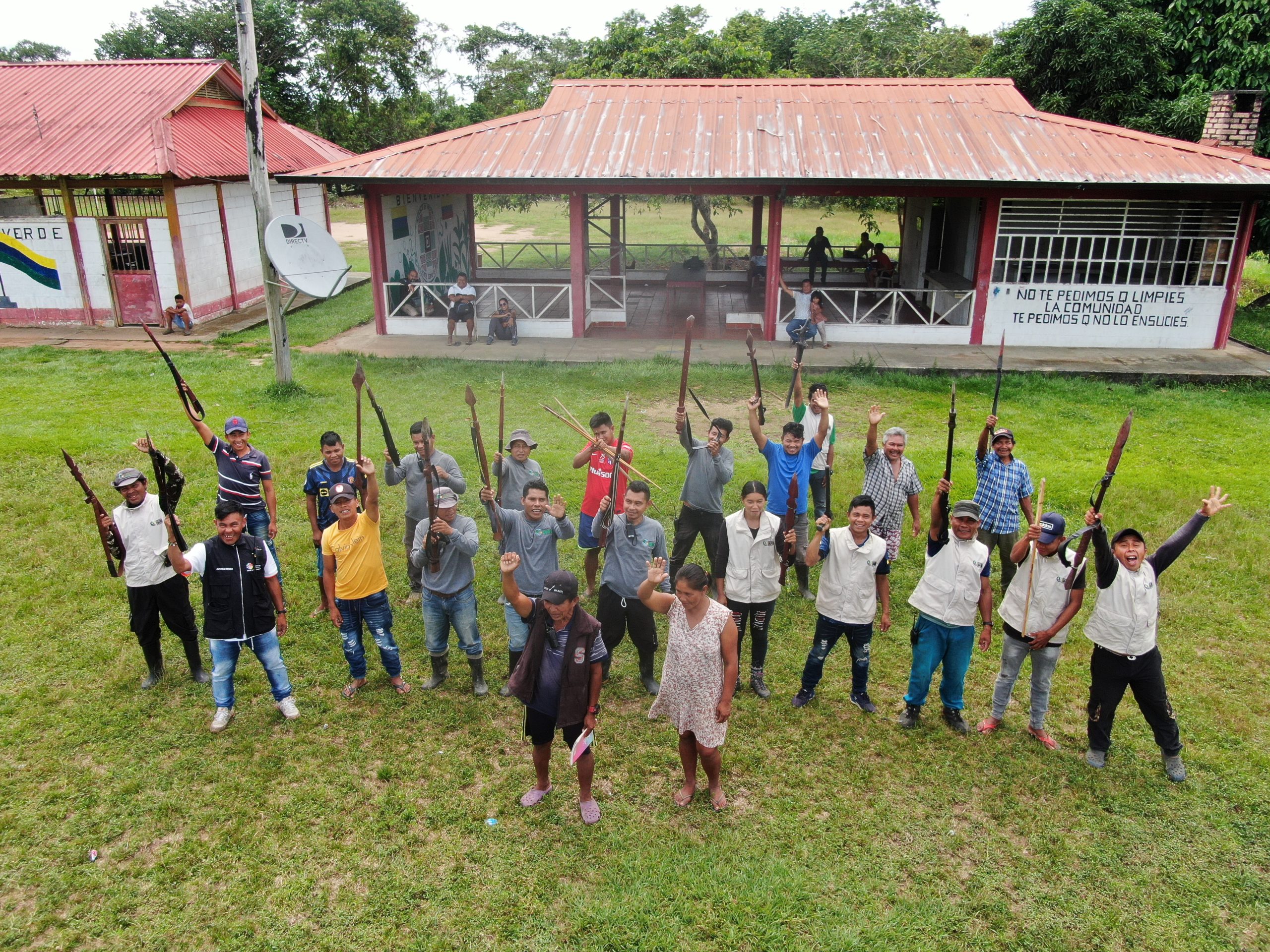
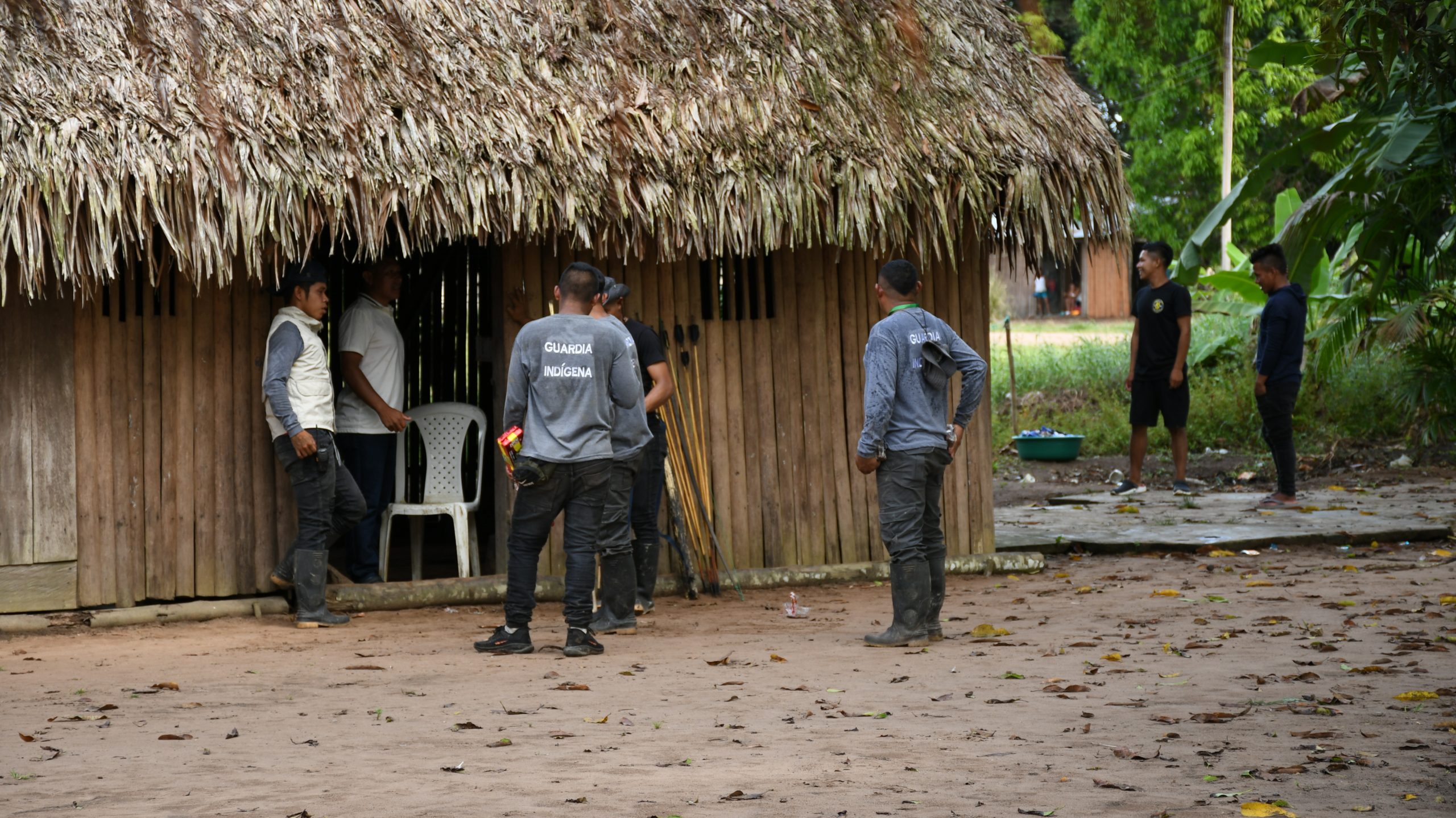
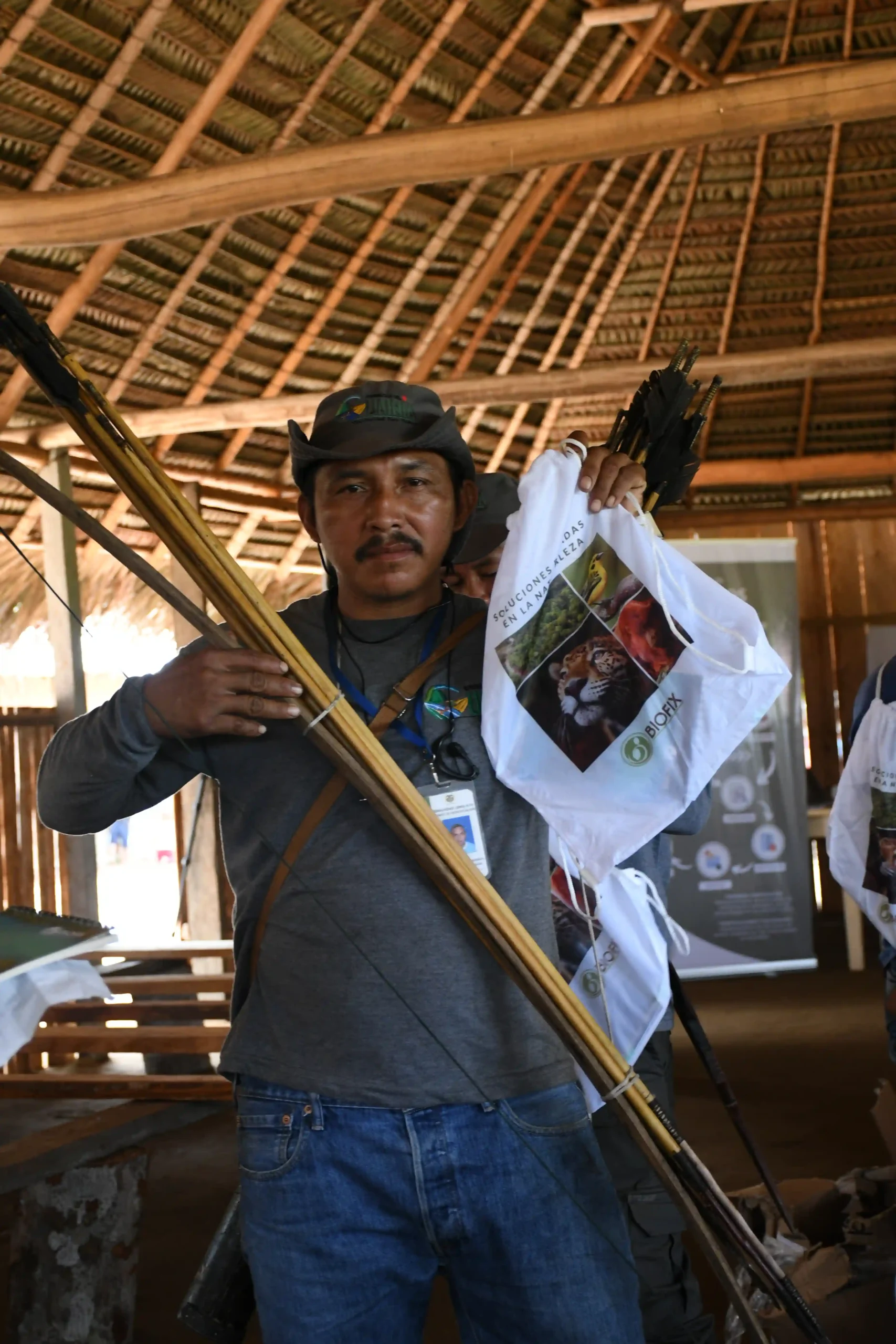
This initiative consolidates the presence and operational capacity of the Indigenous guard, who serve as defenders of territory, culture, and collective rights, through training, equipment provision, and community recognition.
By offsetting your emissions, you contribute to the conservation of unique ecosystems in Latin America and support the well-being of local communities. Make a difference today!
